
About Hasrat
Hi there!
I’m Maanya Kalra, the co-founder and editor of Hasrat. I started this platform out of a simple but persistent feeling: that stories can change the way we see ourselves, each other, and the societies we belong to.
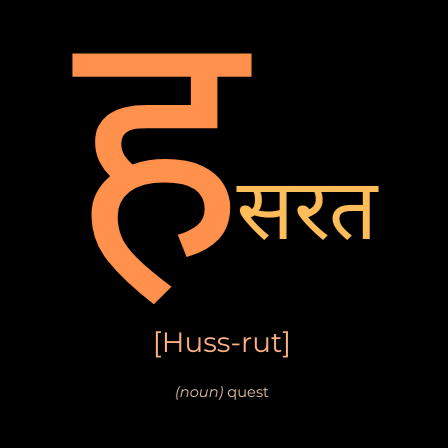
Hasrat began as a desire, quite literally. In Hindi/Urdu, hasrat means a longing, an aspiration, a deep wish. For me, Hasrat is built around this feeling: the desire to challenge, reflect, and imagine better ways of being a society.
This portal brings together writing, ideas, and cultural reflections from India and beyond. It is a space for stories about society, identity, gender, history, media, and development.
My own work has moved between communication, gender, development, and social inclusion, but Hasrat is where I return to the power of stories.
At its heart, Hasrat is about social behavioural change — pursued through curiosity, empathy, a little discomfort, and honest conversation. Sometimes, that conversation may begin one-sided, with a piece of writing asking to be read. But the hope is always that it leaves behind a question, a feeling, or a conversation worth continuing.
How Hasrat Began
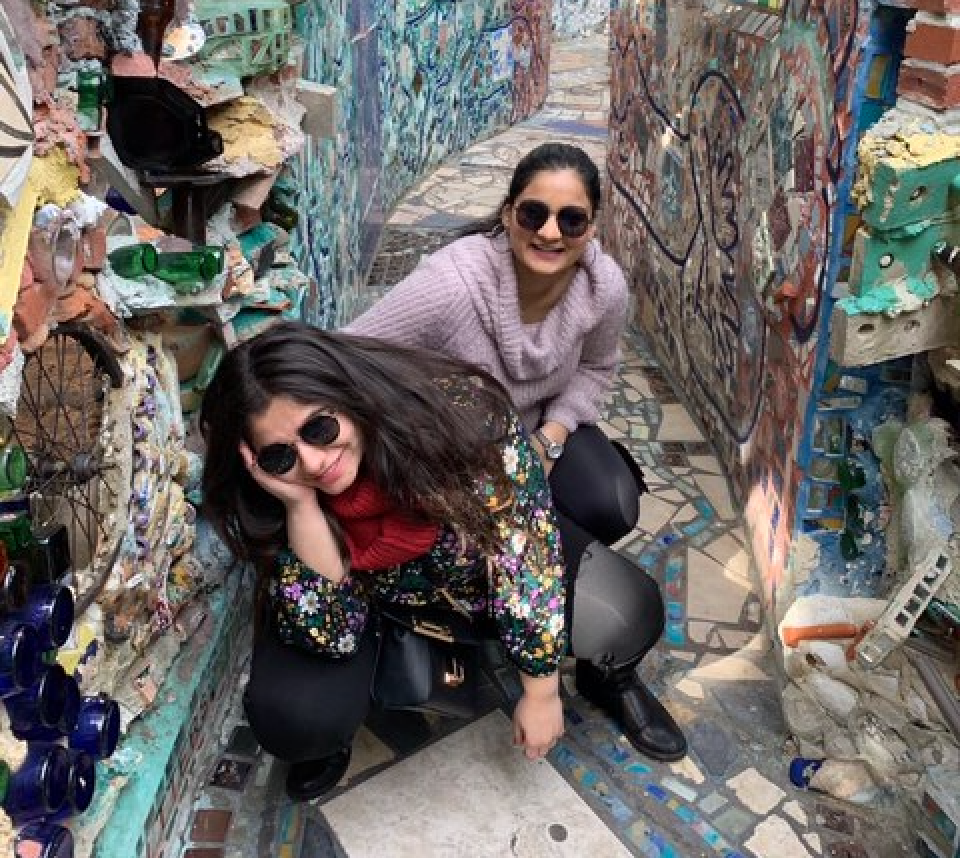
Hasrat was first started in 2020 with my friend Sanjana, whom I met in September 2018 when we were both graduate students at Columbia University. We did not become friends immediately, but over time, between late nights in the library, hot chocolate, pizza, Bollywood films, endless conversations, and many small moments of understanding, we found a friendship that made space for both agreement and disagreement.
In April 2020, during the early months of the pandemic, Sanjana and I participated in the United Nations’ Global Call to Creatives to help spread awareness about COVID-19. We created content around the messages of kindness and physical distancing. While working on that project, we realized how strongly we both believed in the power of communication to shape awareness, empathy, and social behaviour.
That is how Hasrat was born.
Today, Hasrat continues as my independent creative and editorial space, a home for the work I am proud of, the questions I keep returning to, and the ideas I believe deserve to be explored more deeply.
Hasrat is where I return to the questions I cannot leave alone - about who we are, what we inherit, normalise, and dare to change.